
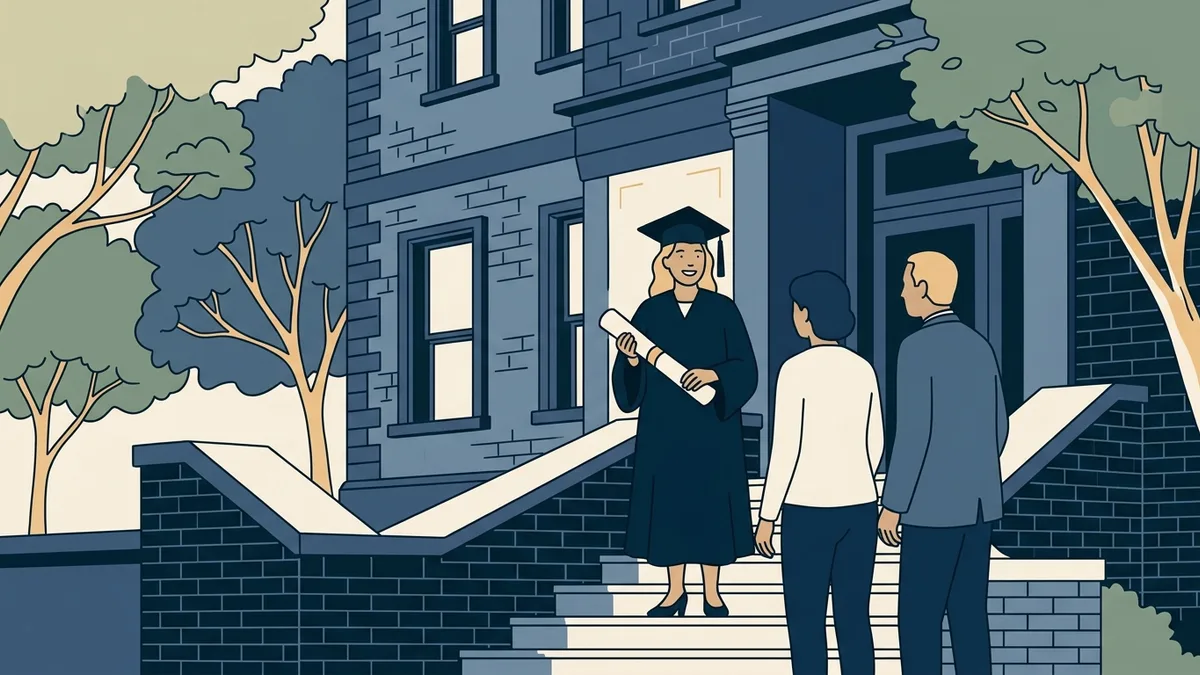
A new dental graduate needs a CODA-accredited DDS or DMD, a passing INBDE, and a clinical assessment the state accepts, usually ADEX, or a residency in New York, California or Ohio. Then come state jurisprudence exams, mandated courses, fingerprints and the application. Request INBDE score reports for your likely states when you apply for the exam.
The ADA sums up dental licensure in one line: "all licensure candidates must meet three basic requirements: educational requirement, written examination, and clinical assessment." For a new graduate, the first is your CODA-accredited DDS or DMD. The second is the INBDE. The third is where your choices start, and they follow you for years.
Here is how to plan a first license so it serves you in your first job and in the moves that often come after.
What is the order of steps?
- Pass the INBDE. The JCNDE says it "is accepted in all U.S. states and territories as fulfilling all or part of the written examination requirements for licensure."
- Complete a clinical assessment the target state accepts: usually the ADEX dental exam, in some states a residency instead.
- Pass any state jurisprudence or law and ethics exam.
- Complete state-mandated courses, such as New York's child abuse reporting and infection control courses or Texas's human trafficking prevention course.
- Apply to the board with transcripts, score reports, fingerprints and the application.
- After licensure: DEA registration if you will prescribe, any sedation permit, and payer enrollment.
How should you schedule the INBDE?
The INBDE is a two-day exam given at Prometric centers. The JCNDE says to schedule your appointment "60 to 90 days before your desired test date," after you apply and receive an eligibility email. Per the 2026 candidate guide:
- The exam fee is $890 and includes results reports to three licensing jurisdictions, but only if you request them at the time of application. Each report added later costs $55.
- Results usually arrive in three to four weeks and are reported as pass or fail.
- Under the 5 Years/5 Attempts rule, you must pass within five years of your first attempt or five attempts, whichever comes first. You must wait at least 60 days between attempts, with no more than four attempts in 12 months.
- Every attempt is reported to boards, not just the pass.
Pick your three jurisdictions thoughtfully: your school's state, the state where you expect to work, and one more you might consider. See INBDE and NBDHE scores in a new state.
Which clinical exam should you take?
For most graduates, ADEX. In its April 2026 announcement with the ADA, ADEX said its exams are "accepted or required by law in 51 U.S. jurisdictions" and "serve as the initial licensure pathway for 98% of dental" candidates. Since the ADA-ADEX agreement, every ADEX dental exam includes the DLOSCE, and the standalone DLOSCE is ending. See the DLOSCE folds into ADEX.
ADEX describes its dental series as five hand-skill components on manikins (periodontal, endodontic, prosthodontic, anterior and posterior restorative) plus the DLOSCE, for $2,995 plus a facility fee and a $150 typodont fee per procedure. Some exam sites limit registration to the host school's own students, so register early.
Two jurisdictions do not accept ADEX for initial licensure: Delaware and New York, according to ADEX's map. See ADEX and which clinical exams each state accepts.
When does a residency make more sense?
If you are headed to New York, a residency is required: the state has demanded "an approved dental residency program of at least one year's duration" for initial licensure since January 1, 2007. California offers Licensure by Residency for a GPR or AEGD program of at least a year, completed within two years before you apply, and Ohio's statute accepts a CODA-accredited residency. Delaware requires a residency year plus its own practical exam.
A residency-based license can raise questions later in states that ask whether your license "followed" a clinical exam, as Texas does for licensure by credentials. If you expect to move, passing ADEX as well can be cheap insurance. See the PGY-1 residency route.
What do the big states add for new graduates?
California
California accepts WREB or ADEX, with passing ADEX results within five years before you apply; the ADEX-route application fee is $400. You also pass the California Law and Ethics exam ($125 application fee), which the Dental Board says "can be taken up to one year prior to graduation from dental school." Fingerprints go through Live Scan, available only in California, or on hard cards. See getting a California dental license.
Florida
Florida requires the National Boards, the Florida Laws and Rules exam and ADEX. Students in their final year may take the licensure exams before graduating, but "must have graduated before being certified for licensure." Florida also requires electronic fingerprinting, and warns that the wrong ORI number means the board "will not receive your fingerprint results." See getting a Florida dental license.
New York
Residency, the child abuse reporting course, and infection control coursework within 90 days of licensure. Residents in New York programs need a limited permit, which costs $105 and is valid for a year, renewable during the residency. See getting a New York dental license.
Texas
Texas wants a regional clinical exam "dated within seven (7) years from the date of examination," and for exams taken after January 1, 2019 the periodontics and prosthodontics sections (Rule 101.2(e)). You also pass the Board's jurisprudence assessment within one year before applying, complete an approved human trafficking prevention course, and submit an NPDB self-query in a sealed envelope. The Board's licensing pages also explain that a newly issued license shows as expired until you complete an initial renewal and pay a prorated activation fee online. See Texas dental licensing.
Which mistakes do new graduates make most?
- Missing score report choices at INBDE application, then paying for reports later.
- Forgetting prior registrations. Texas requires you to self-report any previously issued dental assistant, nursing or other registration, and to get a verification of each one.
- Letting the jurisprudence exam expire. Texas's must be within a year of applying.
- Assuming the first job's state is the last. More than one in four dentists up to ten years out of school were affiliated with a DSO in 2024, according to the ADA Health Policy Institute, and DSOs often operate in several states.
More in dental license application mistakes that cost weeks.
Is the license the last step?
No. Next comes a DEA registration for each state where you prescribe; recent US dental graduates whose curriculum included the required training can use it to satisfy the DEA's one-time MATE Act attestation. A sedation permit if you will sedate. Then payer credentialing before you can bill insurers. See DEA and state controlled substance registrations and after the license: dental payer credentialing.
How can we help with a first license?
Our Full State Dental License Application service ($899 per state) prepares the whole file: transcripts and dean's certification, score reports, residency certification if you have one, fingerprint scheduling, required course certificates and a question-by-question guide, with tracking to approval. Our Jurisprudence Exam Logistics service ($249 per state) handles registration and official study materials. You take every exam yourself and complete, sign, pay for and submit the application. If you are choosing between states, the $149 Dental Licensure Readiness Review compares them for you.
Common questions
- Which clinical exam should a new dentist take?
- Usually ADEX, which ADEX says is accepted or required in 51 US jurisdictions. Delaware and New York do not accept it for initial licensure. New York requires a one-year residency, and Delaware requires its own practical exam plus a residency.
- Can I take state licensure exams before graduating?
- Some states allow it. Florida lets final-year students take the licensure exams but requires graduation before certification. California's Law and Ethics exam can be taken up to one year before graduation.
- How many score reports does the INBDE fee include?
- The 2026 INBDE guide says the $890 fee includes reports to three licensing jurisdictions if you request them at the time of application. Later reports cost $55 each.
- Do I need continuing education in my first license period?
- It depends on the state. New York, for example, does not require CE in the first three-year registration period unless you were licensed by endorsement.
Need Help with Your Application?
We prepare the dental licensing process end-to-end — eligibility screening, documents, board follow-ups, and tracking.